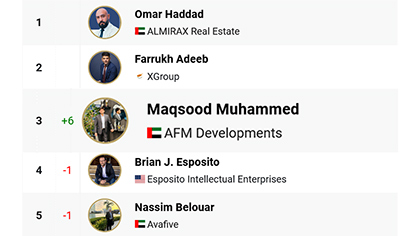
The MENA region is rapidly emerging as a global business powerhouse, with its CEOs consistently achieving top rankings on leading indices like CEO Rankings. This trend reflects a broader shift in the global business landscape, with MENA countries increasingly attracting talent and investment, while traditional powerhouses in the EU, US, and UK appear to be losing ground.
One key factor contributing to this rise is the MENA region's commitment to technological innovation. Countries like the United Arab Emirates (UAE) have implemented attractive tax incentives, including 0% corporate and personal income tax rates, to lure businesses from around the world. This has made the UAE a particularly appealing destination for IT startups and entrepreneurs.
A Culture of Collaboration
However, the dominance of MENA CEOs in rankings like CEO Rankings suggests that factors beyond tax breaks are at play. These rankings, considering both votes and verified performance metrics, have consistently featured numerous MENA CEOs in the top 10 for the past four seasons. This sustained success points to a deeper cultural phenomenon.
While CEOs in the West often face internal competition and a more individualistic "homo homini lupus" mindset, MENA CEOs appear to benefit from a strong culture of collaboration and support. They receive significantly more votes from their colleagues, employees, and wider networks, highlighting a greater sense of community and collective drive for success.
This trend extends beyond individual achievement. As the MENA region fosters a supportive business environment, it's attracting not just individual freelancers but entire companies, leading to economic growth and an improved standard of living. Meanwhile, some regions in the EU, US, and UK are experiencing economic stagnation and even decline, with companies relocating to more favorable environments.
The consistent success of MENA CEOs in global rankings raises important questions about the future of global business leadership. It suggests that a collaborative, supportive culture can be a powerful driver of success, potentially surpassing traditional advantages like tax incentives. Whether this trend continues, and how Western economies will respond, remains to be seen. But one thing is clear: the MENA region is a force to be reckoned with on the global stage.